
How to Create an IPTV Playlist: Easy Guide for Australia
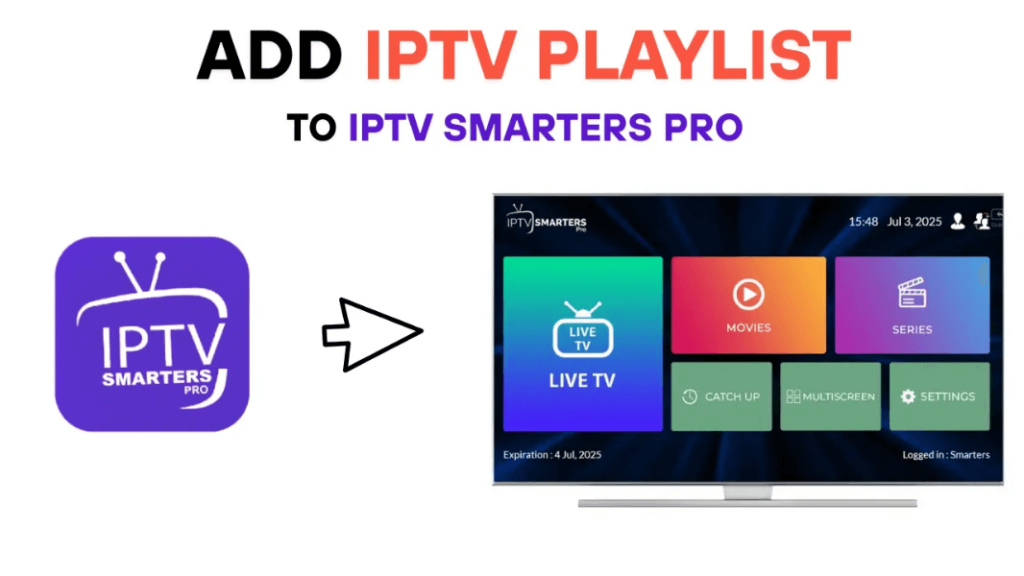
The phrase “how to create an IPTV playlist” is searched for often in Australia as more people explore flexible streaming options. Many Australians enjoy IPTV because it allows custom channel lists and convenient access to digital content. This guide explains the process clearly so beginners can create a playlist with confidence.
What Is “How to Create an IPTV Playlist”?
When someone asks “how to create an IPTV playlist,” they want to assemble channels or streams into one organised list. This list usually comes in the M3U format, which works with most IPTV players. Moreover, a playlist helps you manage your favourite content in a single file that you can load on multiple devices.
Playlists can include live channels, radio stations, or on-demand content links. Because IPTV players use them to display channels neatly, understanding the basics makes the entire experience smoother.
How “How to Create an IPTV Playlist” Works
Creating a playlist involves gathering streaming URLs and placing them into a structured file. Although the idea may seem technical, the steps are simple once you know the format.
- Each channel has a stream URL.
- You add these URLs to a text file or playlist generator.
- You save the file as an M3U playlist.
- You upload the playlist to your IPTV player.
- Your player organises the channels and displays them in categories.
This method provides flexibility, and it also allows easy updates whenever you want to add or remove channels.
How to Use “How to Create an IPTV Playlist” in Australia
Australians appreciate custom playlists because they allow control over channel order and content selection. Additionally, playlists work on smart TVs, Android TV boxes, computers, and mobile devices.
To use a playlist effectively in Australia, you need a reliable IPTV player, such as:
- IPTV Smarters
- VLC
- TiviMate
- Smart IPTV
Most Australians rely on stable NBN connections, so streaming quality tends to be strong. However, keeping your device updated and maintaining a clear file structure helps ensure smooth playback.
Beginner-Friendly Step-by-Step Guide
1. Choose a Playlist Tool
Use a simple text editor, such as Notepad or TextEdit. Alternatively, some choose online M3U playlist creators that offer templates.
2. Understand the Basic M3U Structure
A playlist normally begins with:
#EXTM3U
Then each channel includes:
#EXTINF:-1, Channel Name
http://stream-url-here
3. Gather Your Stream URLs
Collect the URLs you want to include. Each one represents a channel or content source. Then, verify that they load correctly in a player.
4. Add Channels to Your File
Insert each channel using the M3U format. Moreover, label channels clearly so you can identify them later.
5. Save the File
Save the file with an .m3u extension. You can then upload it to your IPTV app.
6. Load the Playlist in Your IPTV Player
Open your IPTV app, choose the playlist option, and upload your file. The app will automatically sort your channels.
7. Test and Adjust
Finally, test your channels. If a link does not load, you can replace or update it easily.
Helpful Tips to Improve Your Experience
Creating a playlist works best when you keep your file organised and updated. The tips below ensure a smoother experience.
Organise Channels into Groups
Grouping channels by category helps you navigate quickly—for example, separate sports, entertainment, and news.
Keep Backups
Always save a backup of your playlist. This helps if you change devices or need to restore your settings.
Use a Reliable IPTV App
Some apps handle large playlists better than others. Therefore, choosing a stable app improves performance.
Maintain a Strong Internet Connection
A reliable NBN plan supports better streaming. You can also use an Ethernet cable for increased stability.
Update Links Regularly
If a stream stops working, replacing outdated URLs ensures your playlist stays functional.
Conclusion
With the right approach, you can easily get started with creating an IPTV playlist in Australia.
For more helpful content, you can visit our homepage for additional guides.